
|
Nokalakevi
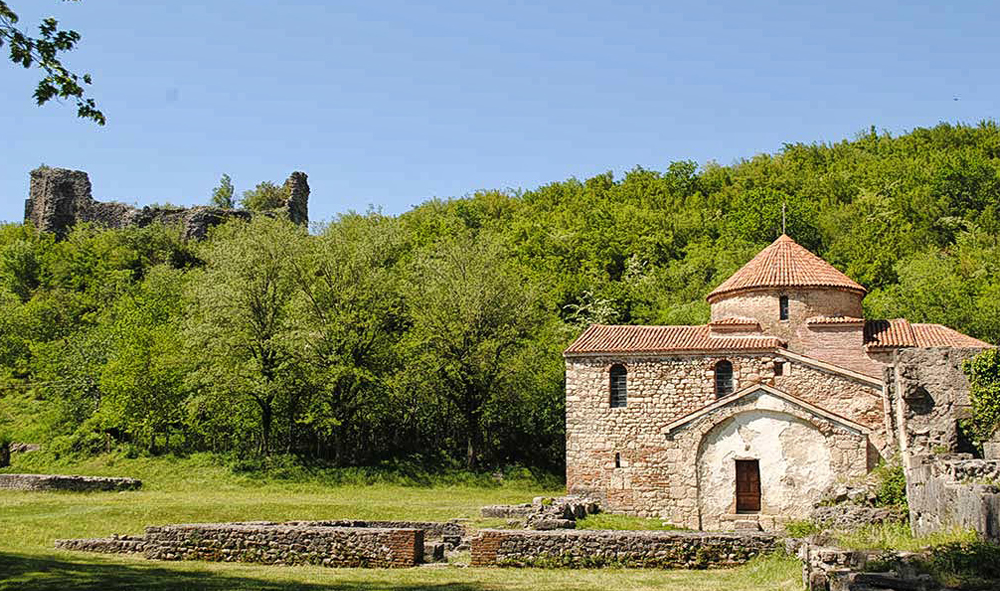
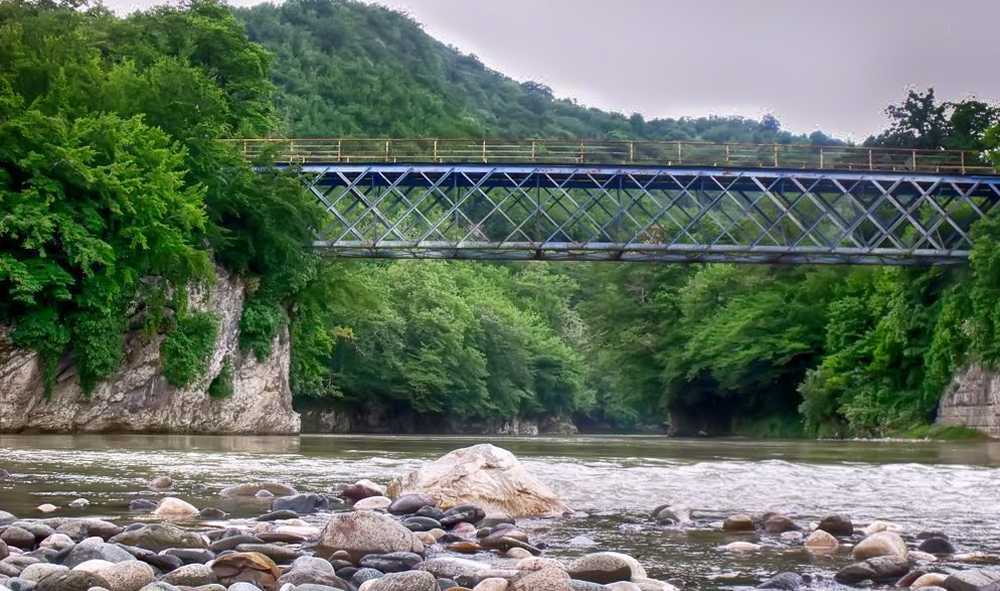
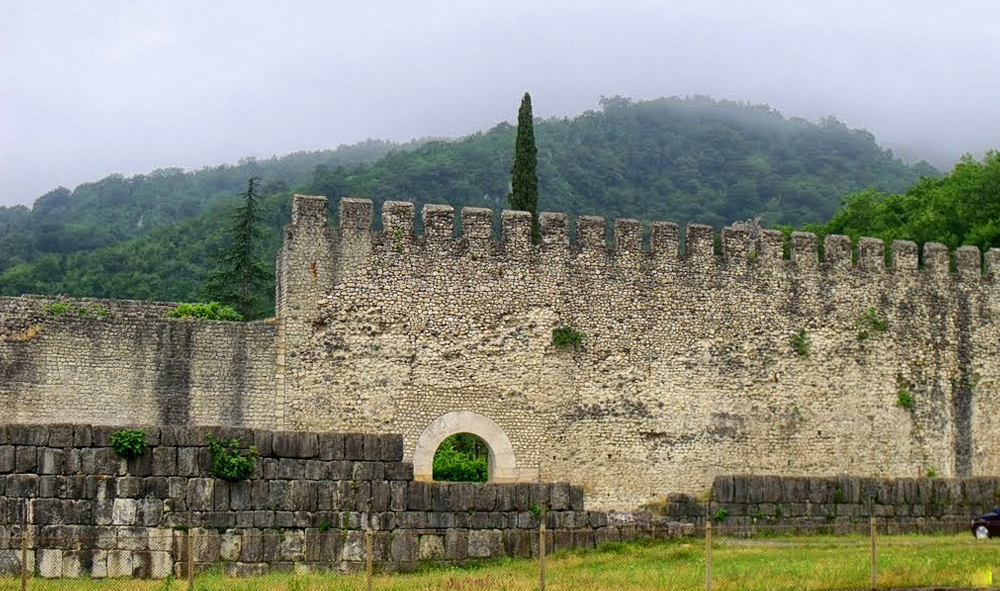
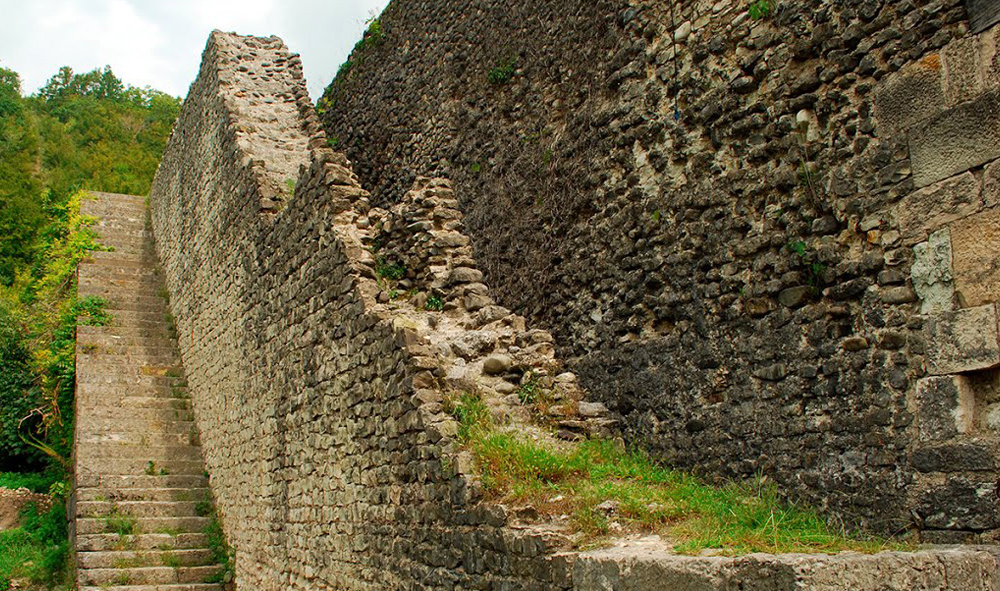
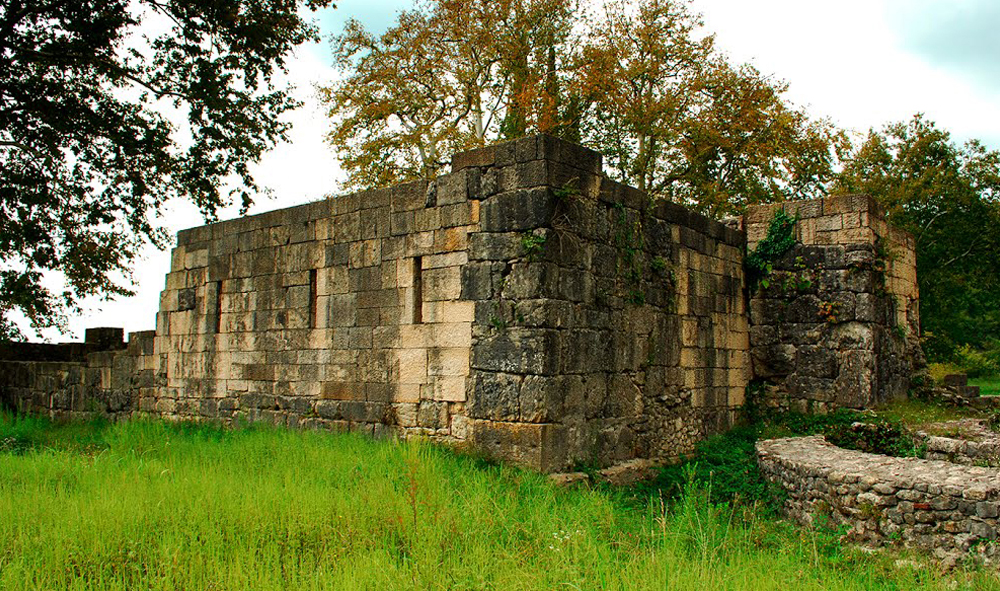
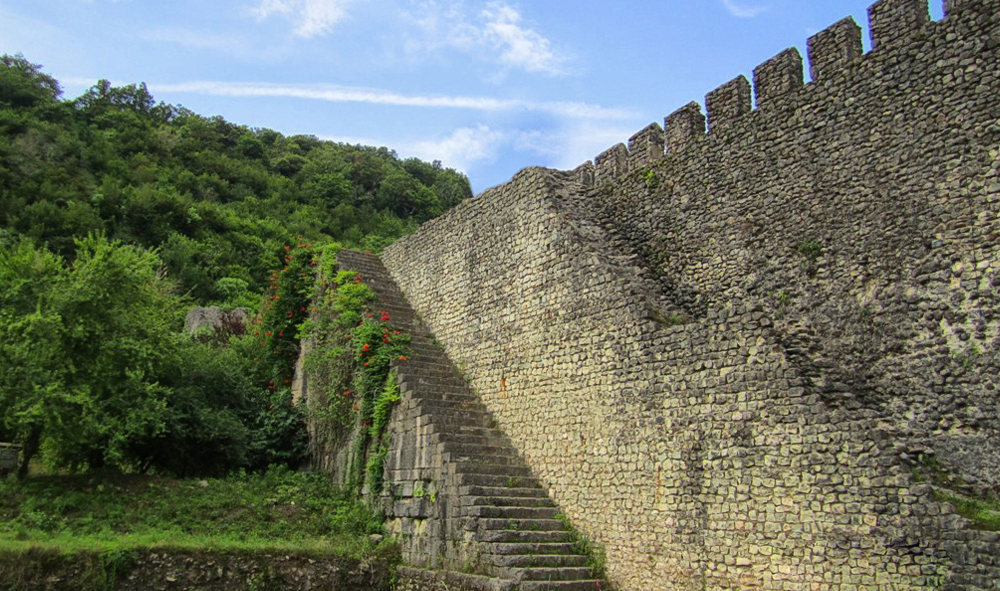
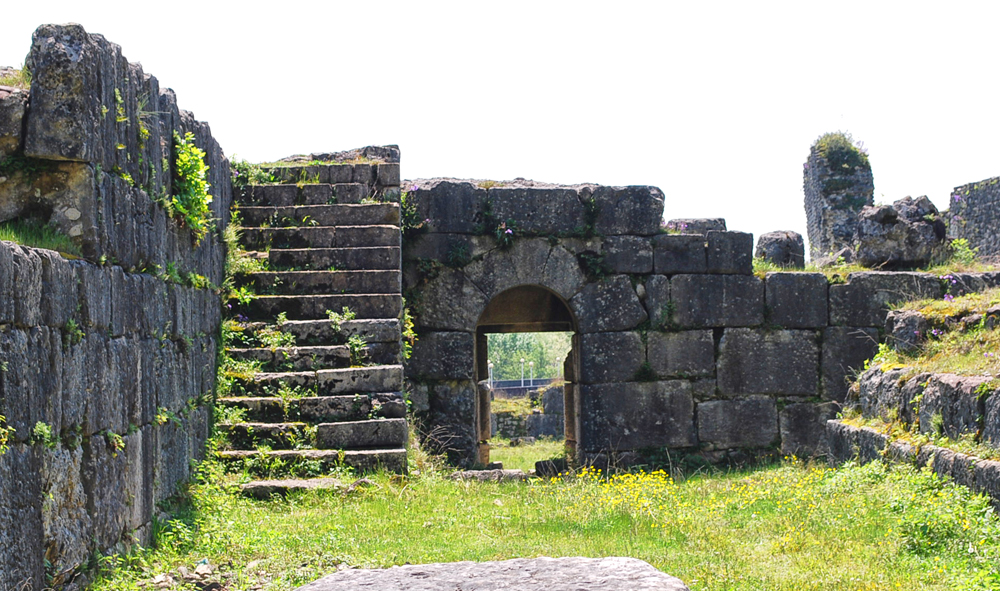
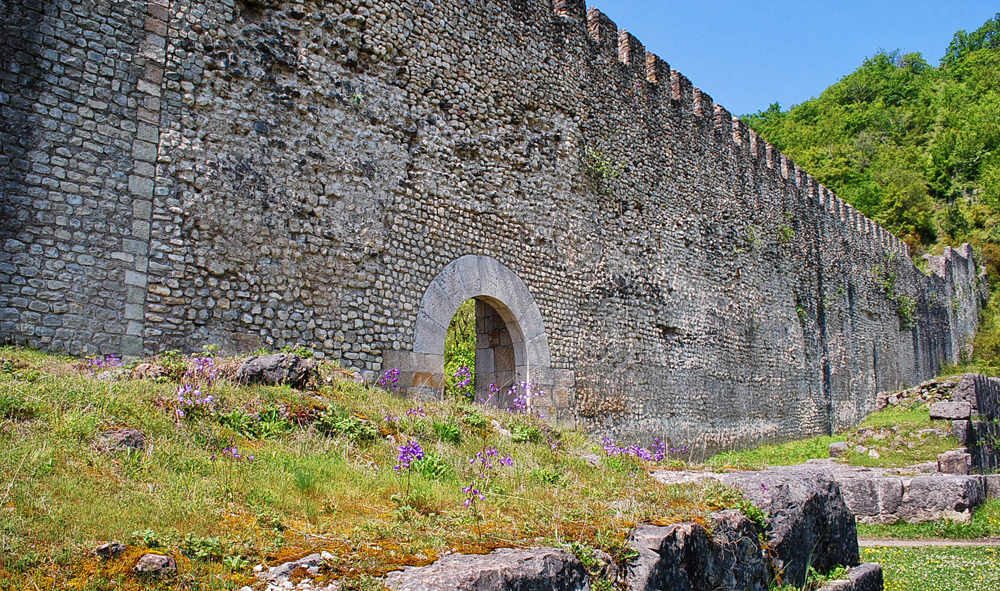
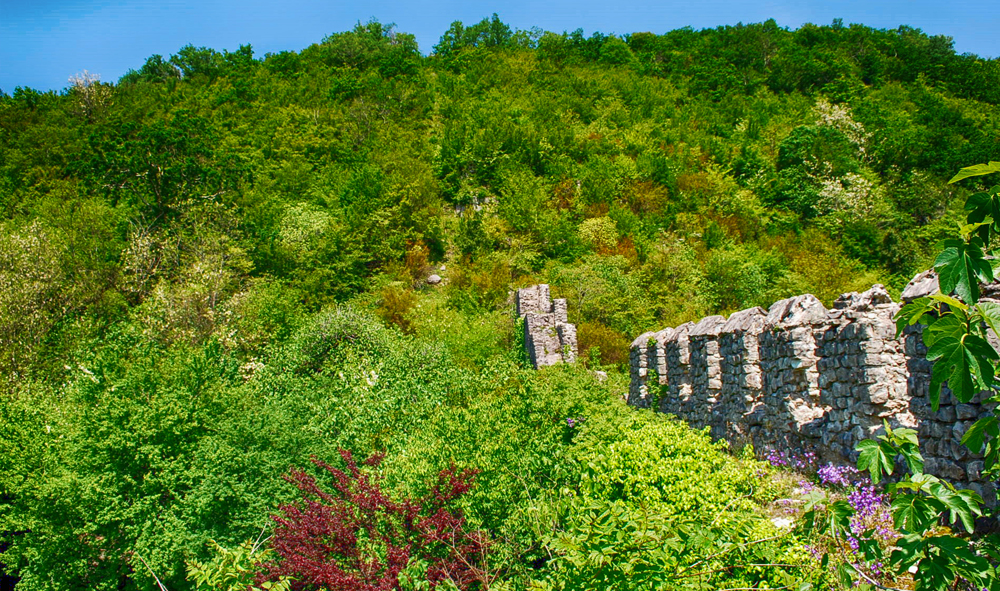
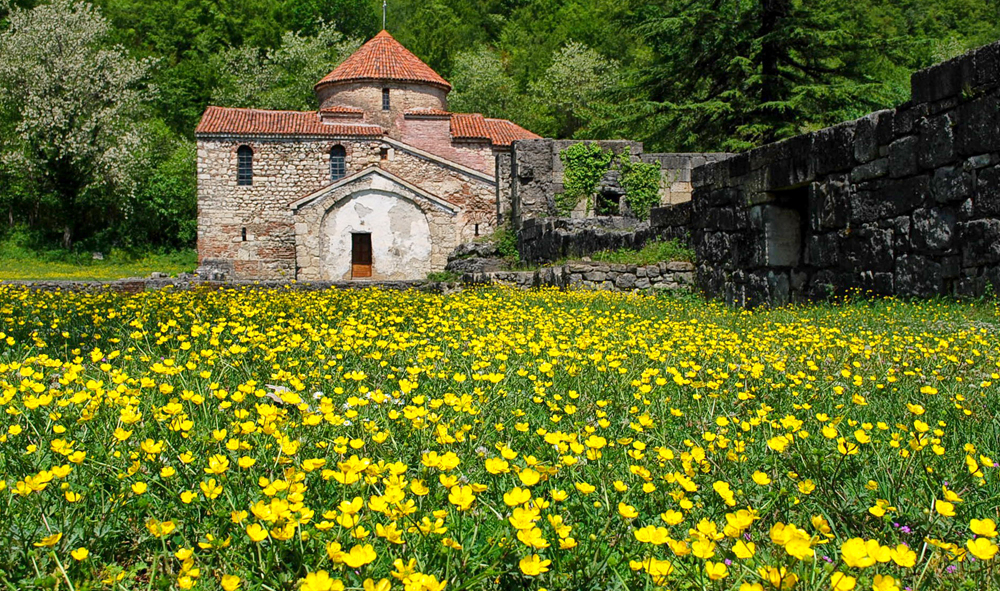
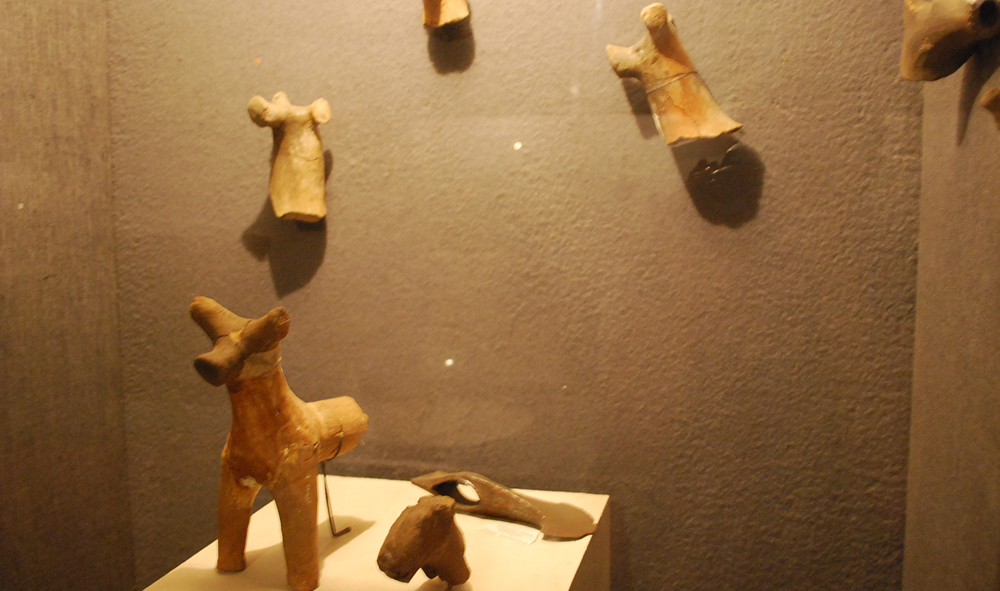
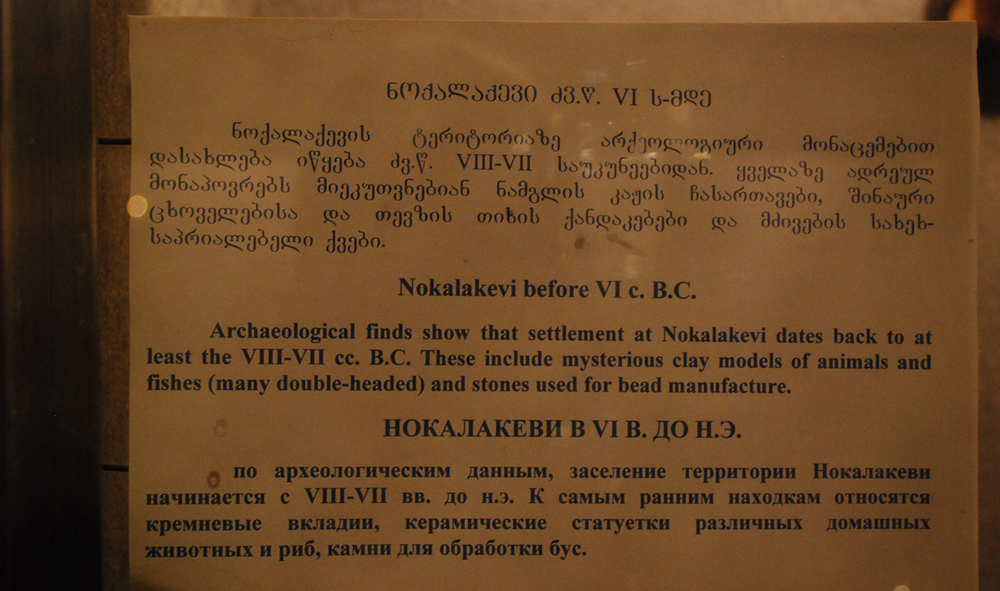
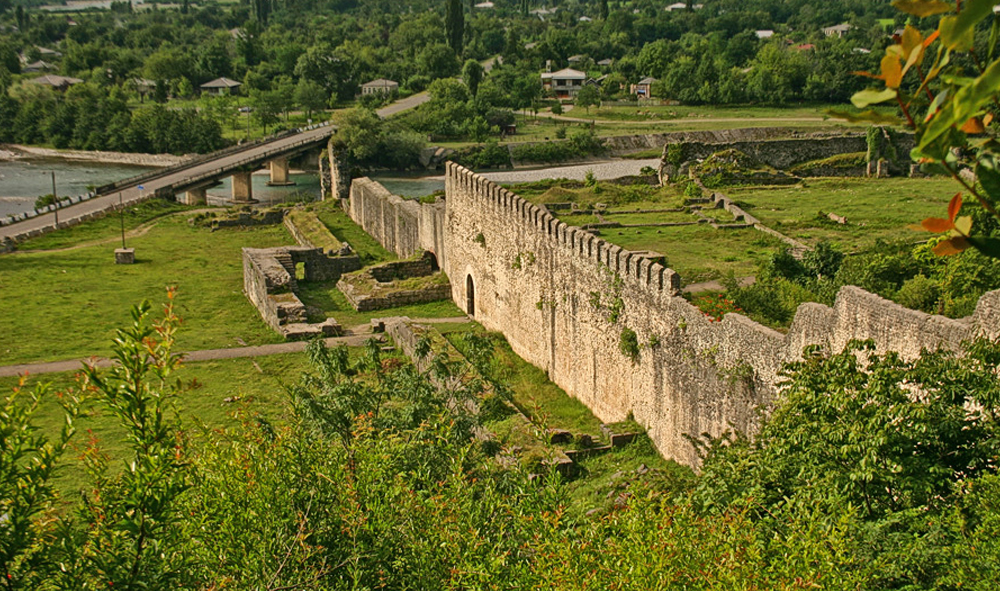
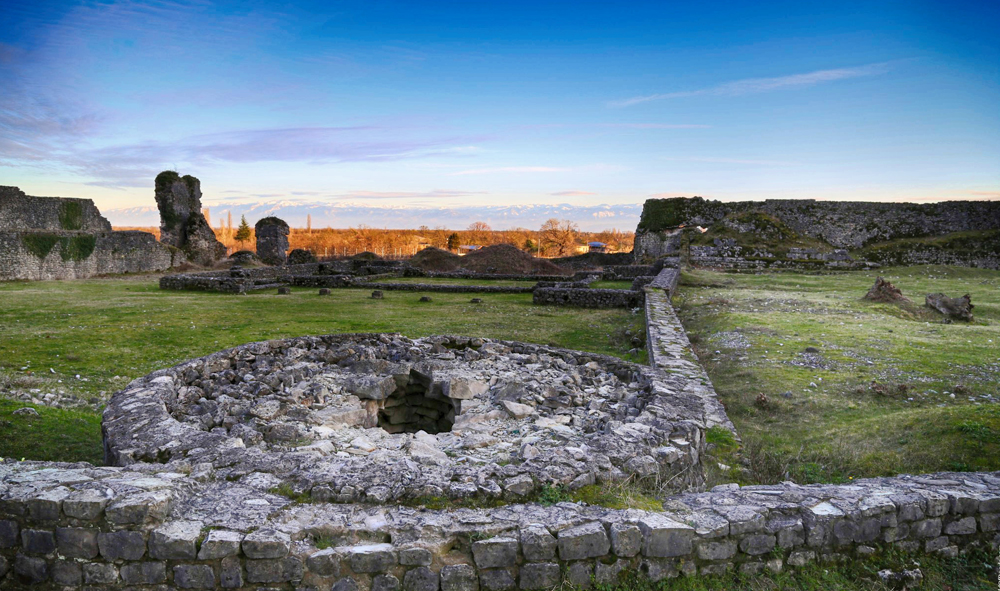
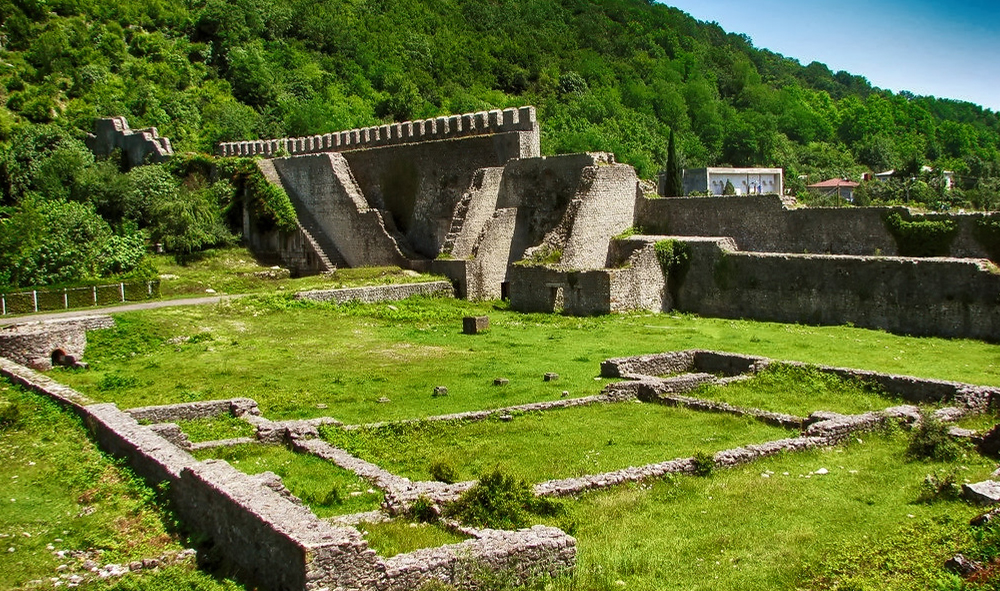
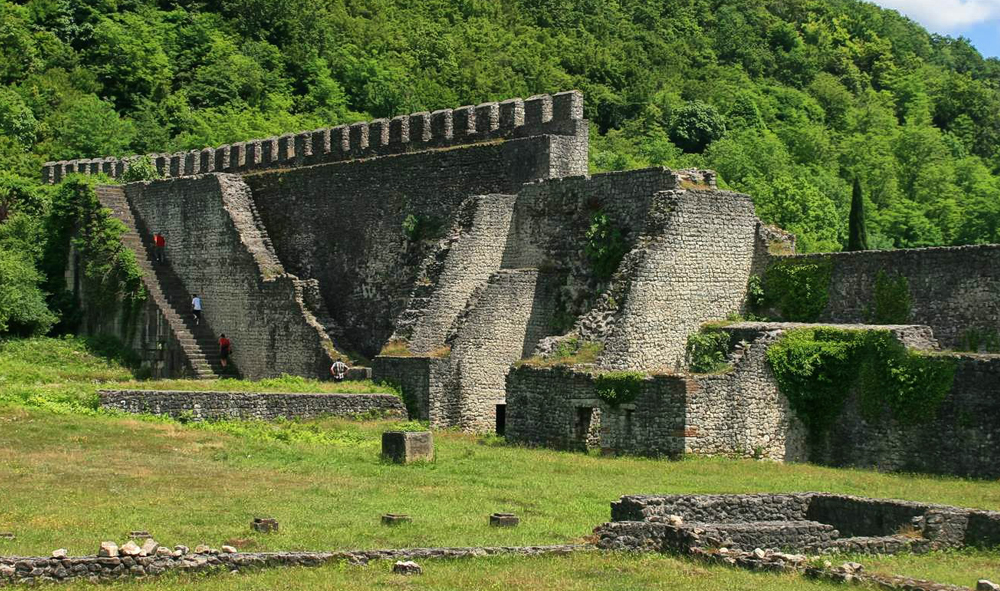
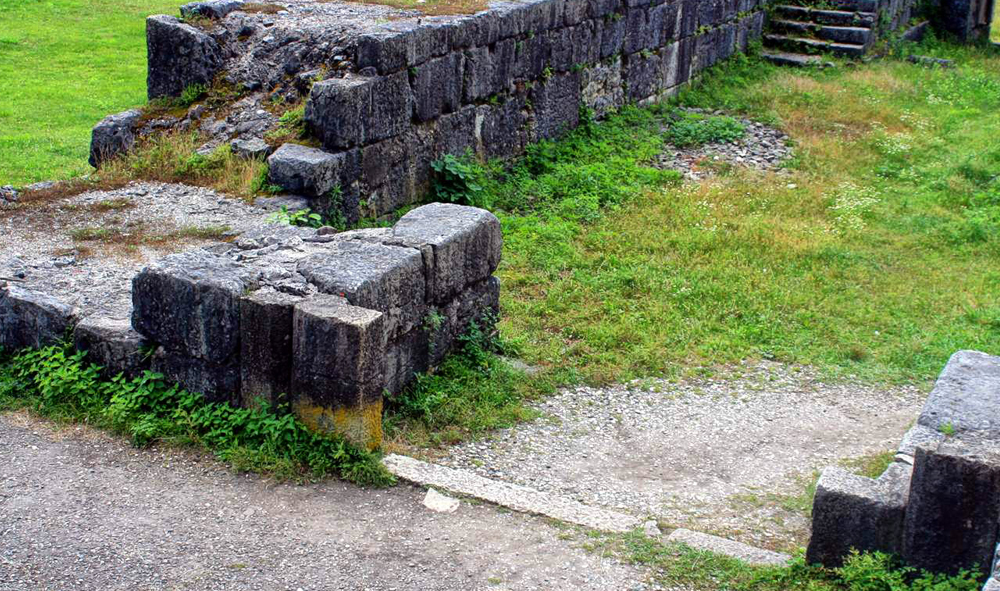
Nokalakevi (literally meaning "the place where a town was") also known as Archaeopolis (literally meaning "ancient town", from it comes its Georgian name "Nokalakevi" -Nakalakevi), in Georgian chronicles, it is called "Tsikhegoji . Historic fortress is situated in the west Georgia, in 17-km North-East from the town Senaki. The site lies on the left bank of the river Tekhuri, where the river flows out from the rocky gorge and sharply turns to East. In result the city is bordered by the river from three sides. According to some researchers the mystic city Aia, from where Iazon, Medea and Argonauts stole the Golden Fleece. According to historical sources, Tsikhegoji, i.e. the fortress of Kuji, was built by Eristavi (or ruler) of Egrisi Kuji in the beginning of 3rd century BC . Construction was due to strategic reasons, and large number of the population. In IV-VIII centuries Tsikhegoji was a capital of the western Georgia the kingdom of Egrisi (Lazika). it served as a battlefield during the the Lazic Wars between the Byzantines and Persians (542-562). In 737-738 the city was destroyed by the Arab commander, Marwan ibn-Muhammad, known to Georgians as Murvan Kru (“Murvan the Deaf”). Subsequently, Tsikhegoji declined to a small village. In the 16thcentury it saw only a relative revival when the Ruler of Samegrelo built his own palace the residence of Dadiani in XVI-XVIII centuries. Archaeological study of Nokalakevi began in 1930-1931 on the initiative of academician Iv. Javakhishvili. Excavations is carried out from 1973. The site was inhabited in the early 1st millennium BC. The settlement grew larger in the 5th-4th centuries BC. City was composed of 3 sections (total area 15 ha) and was surrounded by a fence. The main part was situated on the river bank, the garrison was located on the slope of the seat, while the inner fortress (citadel) – on the top of the mountain. On the territory of the lower fortress the ruins of the palaces of Egrisi’s kings (4-6 centuries) and three-naved basilica as of V-VI centuries have also been identified , as well as royal palaces, Koshkiani Gate, 2 bathrooms and other remains. There is only one wall along the cliffs to the south and west side of the river. To the east easily reachable by the enemy there are 3 walls. Citadel holds an area of more than 3 hectares. The fence of the fortress includes Forty Martyrs Church. One of the 2 towers (now "Jikha") was controlling the Kolkheti lowland and the northern side. In the yard of Citadel there is small hall-type church of earlier feudal era. Different valuable archaeological materials were unearthed on Nokalakevi's territory. Among the discoveries of the grave were ceramic wares, bronze bracelets, necklaces, coins. Treasure of 23 gold coins issued in the name of the Byzantine Emperor Maurice (582-622) is remarkable . On the territory of Nokalakevi the relatively small number of materials of the XVI-XVIII centuries is obtained. |
|
Booking +995 (32) 2322232 +995 593 800700 martvilipalace@gmail.com |
Newsletter Subscribe and get special offers |
See also
|
